In the modern digital economy, trust is the foundation of growth. As digital platforms expand, transactions accelerate, and user expectations rise, organizations must ensure that every interaction is secure, compliant, and verifiable. We operate in an environment where identity fraud, data breaches, and impersonation attempts are increasingly sophisticated. To meet these challenges head-on, Verification APIs have emerged as a critical layer of digital infrastructure.
We rely on verification APIs to authenticate identities in real time, reduce operational risk, and build lasting confidence with users. These APIs are no longer optional tools—they are the backbone of secure digital identity across industries.
Understanding Verification APIs in Digital Ecosystems
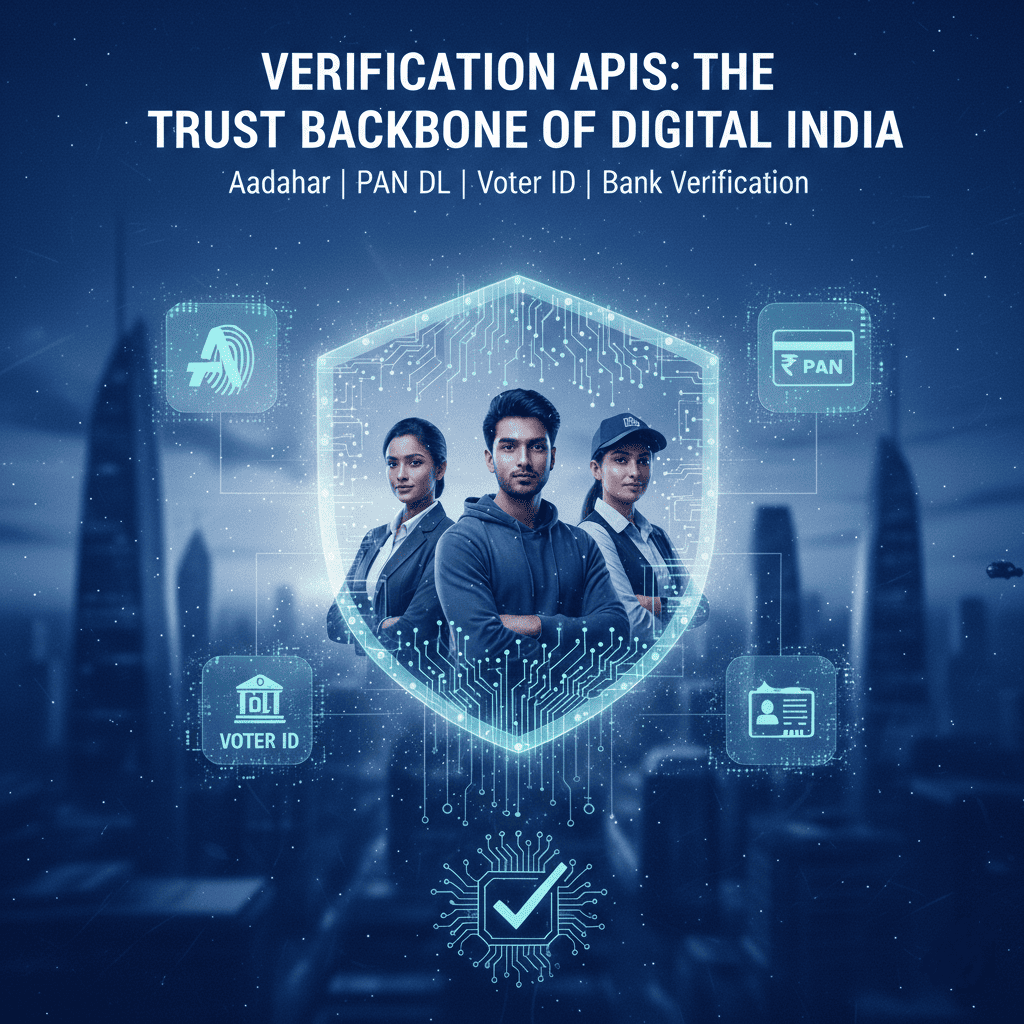
Verification APIs are programmatic interfaces that enable applications to validate user identity data against trusted and authoritative sources. We integrate these APIs directly into digital workflows to ensure that identity checks occur automatically, securely, and instantly.
Unlike manual verification processes that are slow and error-prone, verification APIs deliver high-speed validation with consistent accuracy. This automation allows us to scale identity checks without compromising security or user experience.
At their core, verification APIs provide:
- Real-time data validation
- Secure data transmission
- Automated decision-making
- Seamless integration with applications
These capabilities make them indispensable for modern digital onboarding and transaction processing.
Why Verification APIs Are Essential for Modern Businesses
As digital adoption increases, fraud vectors multiply. We face identity spoofing, synthetic identities, and document manipulation across platforms. Verification APIs act as a first line of defense, enabling proactive risk mitigation.
We depend on verification APIs to:
- Prevent unauthorized access
- Reduce identity fraud
- Meet regulatory requirements
- Protect brand reputation
By embedding verification into every critical user journey, we ensure that trust is established from the first interaction.
KYC Verification APIs: Enabling Digital Trust at Scale
KYC Verification APIs digitize the entire Know Your Customer process. We use these APIs to validate customer identity details against government and financial databases, ensuring compliance without friction.
Digital KYC APIs eliminate paperwork, reduce turnaround time, and improve accuracy. They support paperless onboarding, enabling users to complete verification remotely within minutes.
Key advantages include:
- Faster customer acquisition
- Improved compliance accuracy
- Reduced operational overhead
- Enhanced user satisfaction
KYC APIs are central to secure digital growth in regulated industries.
Aadhaar Verification API for Instant Identity Authentication
The Aadhaar Verification API is a cornerstone of digital identity in India. We leverage Aadhaar APIs to authenticate users through OTP-based and demographic verification methods.
This API enables instant confirmation of identity while maintaining strict security standards. Aadhaar verification significantly reduces impersonation risks and supports large-scale digital services.
Primary benefits include:
- Seconds-level verification
- High accuracy from official databases
- Reduced identity fraud
- Widespread acceptance across sectors
Aadhaar verification APIs power trust across financial services, telecom, and government platforms.
PAN Card Verification API for Financial Accuracy
The PAN Card Verification API ensures accurate validation of Permanent Account Numbers. We rely on this API to maintain financial integrity and tax compliance across customer databases.
PAN verification APIs help detect mismatches, duplicate records, and invalid identities, ensuring that financial operations remain transparent and compliant.
Use cases include:
- Tax reporting
- Financial onboarding
- Loan processing
- Investment platforms
By validating PAN details instantly, we maintain clean and reliable customer records.
Bank Account Verification API for Secure Payments
The Bank Account Verification API confirms account ownership by validating account numbers and IFSC codes in real time. This verification is essential for secure disbursements, refunds, and payouts.
We use bank verification APIs to prevent payment failures and eliminate fraud linked to fake accounts.
Key outcomes include:
- Reduced payout errors
- Lower financial fraud
- Improved transaction success rates
- Enhanced payment security
These APIs are critical for fintech, marketplaces, and payroll systems.
Driving License Verification API for Mobility and Logistics
The Driving License Verification API enables digital authentication of license details against transport authority records. We integrate this API to verify identity and eligibility in mobility-driven industries.
Logistics, ride-hailing, and fleet management platforms benefit from accurate license verification, ensuring operational safety and regulatory compliance.
Advantages include:
- Reliable identity confirmation
- Reduced document forgery
- Improved safety standards
- Trustworthy workforce onboarding
Voter ID Verification API as an Alternate Identity Proof
The Voter ID Verification API provides an additional identity document for users lacking other credentials. We use voter ID APIs to expand onboarding coverage while maintaining verification accuracy.
This API validates electoral identity information directly from official databases, supporting inclusive and flexible onboarding strategies.
Benefits include:
- Expanded user accessibility
- Verified alternative documentation
- Improved onboarding success rates
Core Benefits of Verification APIs
Verification APIs deliver tangible value across digital operations. We achieve measurable improvements in efficiency, accuracy, and trust.
Operational Efficiency
Automated verification eliminates manual reviews, reducing processing time and costs.
Accuracy and Consistency
Standardized checks ensure uniform identity validation across all users.
Seamless User Experience
Instant verification minimizes friction and drop-offs during onboarding.
Scalable Infrastructure
APIs scale effortlessly with increasing verification volumes.
Fraud Prevention and Data Security
Security is non-negotiable. Verification APIs strengthen fraud prevention frameworks by detecting anomalies and invalid identities early.
We rely on:
- End-to-end encryption
- Secure API authentication
- Controlled data access
- Audit-ready verification logs
These measures ensure sensitive user data remains protected while maintaining compliance.
Developer-Friendly Integration and Enterprise Scalability
Modern verification APIs are designed for rapid integration. REST-based architecture, standardized documentation, and sandbox environments enable fast deployment.
We integrate once and scale endlessly, ensuring consistent performance even during peak verification loads.
Compliance and Regulatory Enablement
Verification APIs simplify adherence to KYC, AML, and data protection regulations. By automating compliance checks, we reduce regulatory risk and audit complexity.
This proactive compliance approach ensures uninterrupted operations in regulated markets.
Industries Powered by Verification APIs
Verification APIs are foundational across sectors:
- Banking and fintech
- E-commerce and marketplaces
- Telecommunications
- Travel and hospitality
- Gaming and entertainment
- Logistics and mobility
Every industry that depends on trust relies on verification APIs.
The Future of Verification APIs
Verification technology continues to evolve. AI-driven validation, biometric authentication, and real-time risk scoring are shaping the next generation of identity verification.
As regulations tighten and digital ecosystems expand, advanced verification APIs will remain central to digital trust.
Conclusion: Verification APIs as a Strategic Advantage
Verification APIs define the future of secure digital interaction. We adopt them not only to prevent fraud, but to build trust, ensure compliance, and enable scalable growth.
Organizations that prioritize robust verification infrastructure position themselves for long-term success in a trust-first digital economy.