AI-Powered Bill Payment APIs are redefining how digital transactions are processed, monitored, and secured in modern fintech ecosystems. As real-time payments expand globally, financial institutions and payment platforms are integrating artificial intelligence to enhance fraud detection, automate reconciliation, and improve transaction reliability.
According to the Bank for International Settlements (BIS), real-time retail payment systems are growing rapidly across jurisdictions, strengthening speed and accessibility in digital payments (https://www.bis.org/cpmi/publ/d198.htm). In India, the Reserve Bank of India (RBI) continues to report strong digital payment growth across systems such as UPI, IMPS, and BBPS (https://www.rbi.org.in/).
This transformation signals a major shift in payment infrastructure architecture.
What Are AI-Powered Bill Payment APIs?
AI-Powered Bill Payment APIs combine traditional bill payment processing systems with machine learning models and automation layers. These APIs enable:
- Intelligent transaction routing
- Real-time fraud detection
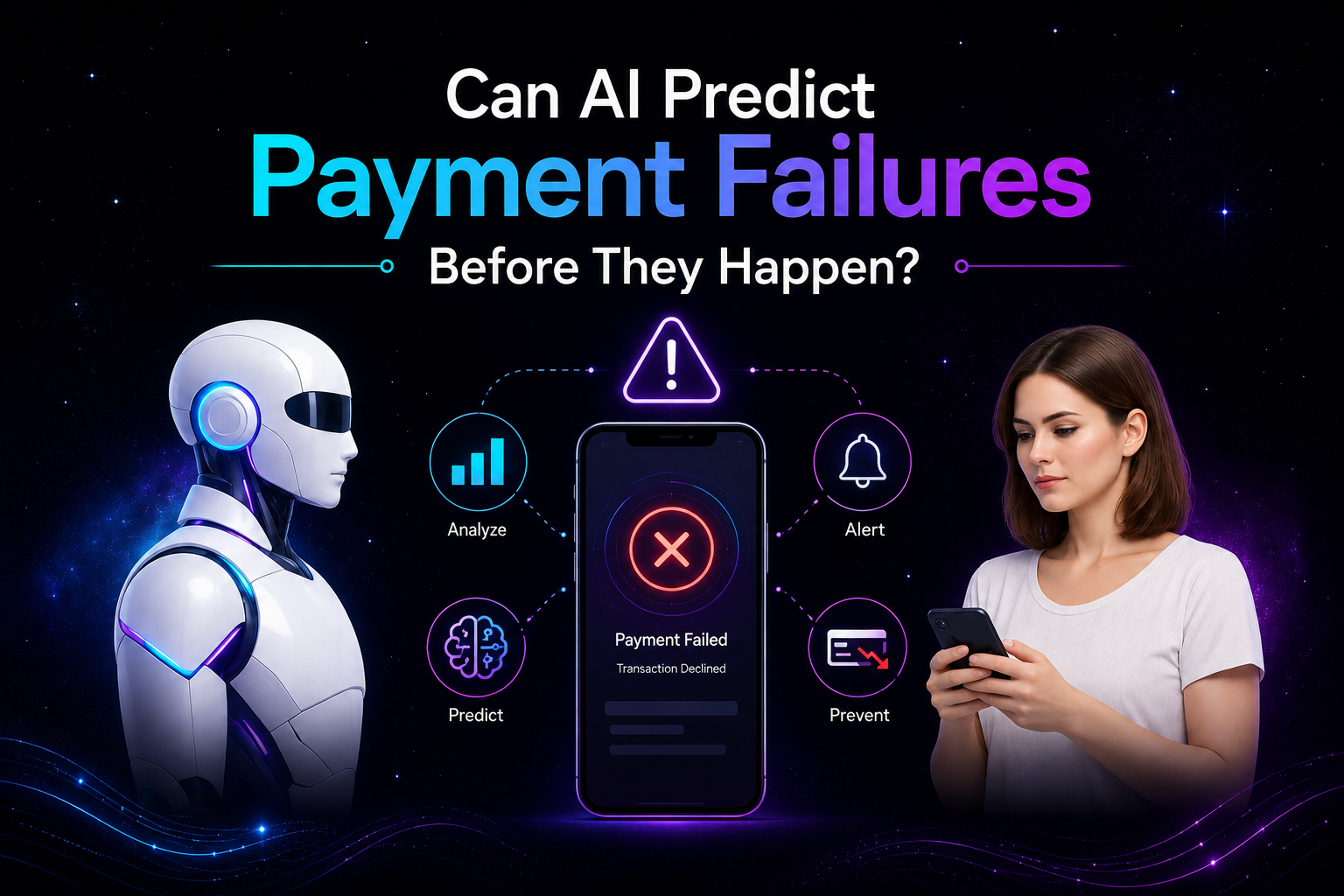
- Predictive failure monitoring
- Automated reconciliation
- Smart compliance tracking
Unlike static APIs, AI-enabled systems continuously learn from transaction patterns, helping businesses reduce risk and improve operational efficiency.
7 Powerful Shifts Driving Fintech Evolution
1. Real-Time Fraud Detection
AI engines analyze transaction behavior patterns instantly. Suspicious activities are flagged before settlement, aligning with global AML risk-based monitoring frameworks outlined by the Financial Action Task Force (https://www.fatf-gafi.org/).
2. Intelligent Transaction Routing
AI dynamically routes payments through optimal channels such as UPI, net banking, cards, or wallets based on latency, historical success rates, and provider uptime.
3. Predictive Failure Prevention
Machine learning identifies transaction bottlenecks, server instability patterns, and peak load vulnerabilities. Proactive rerouting minimizes payment failures.
4. Automated Reconciliation
AI reduces manual intervention by automatically matching transaction records across banks, billers, and aggregators. This improves accounting accuracy and reduces operational costs.
5. Enhanced Compliance Monitoring
AI-Powered Bill Payment APIs strengthen compliance by tracking transaction anomalies, maintaining audit logs, and supporting reporting requirements aligned with central bank regulations.
For regulatory frameworks, refer to:
- Reserve Bank of India digital payment guidelines: https://www.rbi.org.in/
- FATF AML standards: https://www.fatf-gafi.org/
6. Smarter Customer Insights
AI analyzes billing and payment history to optimize reminders, reduce defaults, and enhance customer lifecycle management.
7. Scalable High-Volume Processing
As noted by BIS reports on payment infrastructures, real-time systems require resilient and scalable backend architecture. AI enhances system stability under high transaction loads.
Why AI-Powered Bill Payment APIs Matter in 2026
Digital payments are no longer limited to simple transfers. Ecosystems now demand:
- Continuous fraud monitoring
- High uptime reliability
- Regulatory compliance readiness
- Multi-provider integrations
- Scalable infrastructure
AI-Powered Bill Payment APIs meet these evolving demands by embedding intelligence directly into transaction processing systems.
Core Components of AI-Powered Bill Payment APIs
Modern AI-powered payment infrastructure typically includes:
- Secure REST-based API architecture
- TLS encryption protocols
- AI-driven anomaly detection engines
- Real-time transaction status webhooks
- Automated settlement and reconciliation modules
- Integration with regulated payment systems
If card payments are involved, platforms must comply with PCI DSS standards set by the PCI Security Standards Council (https://www.pcisecuritystandards.org/).
Industry Applications
Fintech Platforms
Loan EMI collections, subscription payments, and recurring billing automation.
Telecom Operators
Mobile recharges, broadband payments, DTH bill processing.
Utility Aggregators
Electricity, gas, and water bill payments via centralized APIs.
Travel & Ticketing Platforms
Dynamic transaction routing during peak booking periods.
Technical & Regulatory Considerations
Before implementing AI-Powered Bill Payment APIs, businesses should ensure:
- End-to-end encrypted communication
- Data protection compliance
- AML and transaction monitoring alignment
- Secure audit logging
- Scalable cloud infrastructure
Central bank regulations and AML frameworks vary by jurisdiction, so regional compliance checks are mandatory.
For platforms prioritizing compliance-first infrastructure, explore our guide on Verification APIs: The Backbone of Secure Digital Identity in a Trust-First Economy to understand how secure APIs strengthen digital ecosystems.
Frequently Asked Questions
What are AI-Powered Bill Payment APIs?
AI-Powered Bill Payment APIs are digital payment interfaces enhanced with artificial intelligence to optimize routing, detect fraud, and automate operational workflows.
Are AI-powered payment APIs secure?
Security depends on encryption standards, infrastructure resilience, compliance alignment, and real-time monitoring systems.
Do they replace traditional payment gateways?
No. They enhance traditional gateways by adding predictive analytics, automation, and intelligent monitoring layers.
Are these APIs compliant with regulatory standards?
When implemented correctly, they support AML monitoring, audit reporting, and adherence to central bank guidelines.
Conclusion
AI-Powered Bill Payment APIs represent the next stage in fintech infrastructure evolution. As digital payments scale globally under stricter regulatory oversight, intelligence-driven automation is becoming foundational.
Businesses that adopt AI-powered infrastructure gain:
- Improved transaction reliability
- Reduced fraud exposure
- Faster reconciliation
- Enhanced regulatory readiness
- Scalable payment architecture
If your platform processes high-volume digital transactions, integrating AI-Powered Bill Payment APIs can strengthen security, efficiency, and long-term operational resilience.